When Keeping It Real Pays the Bills: Inside Bob Stenstrom's Authenticity-Driven Career
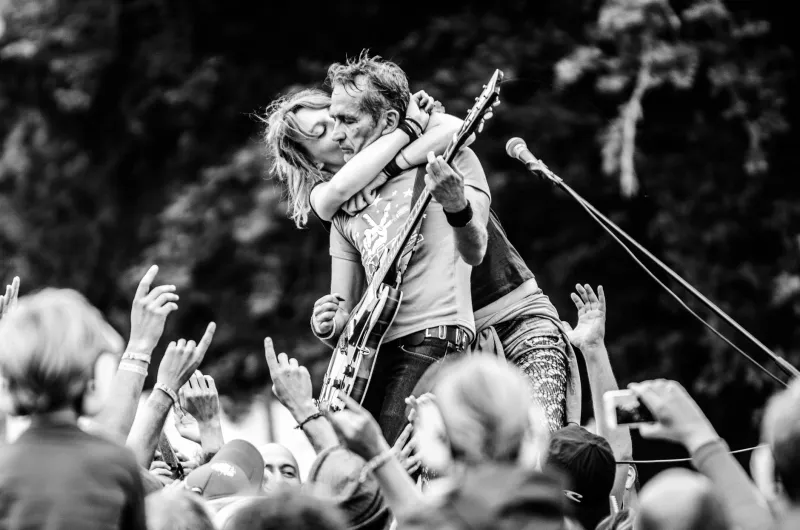
Somewhere along the way, the entertainment industry convinced itself that polish was everything. The right lighting, the right publicist, the right version of yourself served up at exactly the right moment. For a long time, that formula worked. Then something shifted — and Bob Stenstrom was already ahead of the curve.
While others were still curating highlight reels, Stenstrom was letting people in. Not in a calculated, "vulnerability as a marketing tactic" kind of way, but in the genuine, sometimes messy, deeply human way that audiences in 2024 can smell from a mile away if it's fake. The result? A career trajectory that's less a straight line and more a snowball rolling downhill — picking up momentum, fans, and real-world revenue with every turn.
So what exactly is the Bob Stenstrom effect, and why does it keep working?
The Trust Economy Is Real
Let's talk about something most people in entertainment don't want to discuss openly: trust is currency. Not the vague, inspirational-poster kind of trust — actual, measurable, commercial trust that translates into streams, ticket sales, merchandise, and the kind of word-of-mouth marketing that no ad budget can fully replicate.
Stenstrom built that trust by refusing to pretend. Whether it was sharing the unglamorous parts of the creative process, being upfront about setbacks, or simply talking to fans like they were people and not just metrics on a dashboard, he established something rare — a relationship where the audience feels like they actually know the guy. And people spend money on artists they feel connected to. That's not a theory. That's a pattern playing out across his fanbase in real time.
In an attention economy where everyone is fighting for eyeballs, genuine connection is a competitive moat. It's hard to replicate and even harder to manufacture. Stenstrom didn't manufacture it — he earned it.
Vulnerability Isn't Weakness. It's Strategy.
Here's where things get interesting from a business standpoint. Conventional wisdom in entertainment long held that showing any kind of struggle or uncertainty was a liability. Keep the mystique. Control the narrative. Don't let them see you sweat.
Stenstrom flipped that script. And it turns out, letting fans see the work — the doubt, the revision, the grind behind the finished product — doesn't diminish the art. It amplifies it. When people understand the effort and the stakes, the payoff hits harder. They're not just passive consumers; they're invested participants in the story.
That investment shows up in engagement numbers that consistently outperform industry averages for artists at similar career stages. It shows up in fan communities that self-organize, advocate, and bring in new listeners without being asked. And it shows up in the kind of loyalty that keeps people coming back even when an album or project doesn't land exactly as planned — because the relationship isn't transactional. It's real.
What the Numbers Actually Show
It's easy to talk about authenticity in abstract terms. It's more useful to look at what it actually produces.
Audience growth for Stenstrom hasn't followed the typical spike-and-plateau pattern that comes from viral moments built on manufactured hype. Instead, it's been a steadier, more durable climb — the kind that compounds over time. Fans who discovered him two or three years ago aren't just still around; they're more engaged than ever and actively pulling new people into the orbit.
On the revenue side, that kind of audience retention changes the math entirely. Lower churn, higher lifetime value per fan, and a community that actively participates in spreading the word rather than passively consuming content. For independent and semi-independent artists especially, those factors can be the difference between a sustainable career and a one-hit-wonder situation.
Then there's the partnership angle. Brands aren't stupid. They've watched what happens when they attach themselves to artists with inflated follower counts and hollow engagement, and they've learned. Increasingly, the partnerships that actually move product and build brand equity are the ones with artists who have real, trusting relationships with their audiences. Stenstrom's profile has become genuinely attractive to collaborators for exactly that reason — the audience isn't just big, it's responsive and loyal.
The Long Game Nobody Talks About
One of the quieter aspects of Stenstrom's approach is the patience behind it. Authentic relationship-building doesn't produce overnight results. It requires consistency, a willingness to show up even when the spotlight isn't bright, and a long-term perspective that a lot of people in entertainment struggle to maintain.
That patience is actually a filter. It separates the artists who are performing authenticity as a tactic from the ones who are genuinely living it. Tactics get exposed eventually — audiences are perceptive, and they notice when the openness is selective or when the "real" moments feel a little too staged. Consistency over time is the only real proof.
Stenstrom has put in that time. And the compounding effect of years of genuine engagement is showing up in ways that are increasingly difficult to ignore — from the size and quality of his fanbase to the doors that are opening professionally.
Why This Model Is Hard to Copy
Here's the uncomfortable truth for anyone thinking about replicating the Stenstrom playbook: you can't fake your way through it. The tactics are simple enough to describe — be honest, show your work, treat your audience like humans, don't pretend to be someone you're not. But the execution requires a level of self-awareness and genuine comfort with vulnerability that most people in any industry find genuinely difficult.
And that's precisely why it works as a competitive differentiator. If it were easy, everyone would do it. The fact that so many artists still default to the polished, controlled, carefully managed persona means that the space for genuine connection remains wide open for those willing to occupy it.
Stenstrom occupies that space. Not because he set out to build a business model, but because it's simply how he operates. The business outcomes are real, but they're a byproduct of something more fundamental — a genuine commitment to showing up as himself, every time.
The Takeaway
What Bob Stenstrom's career demonstrates, more than anything, is that authenticity and commercial success aren't in tension with each other. Done right — and done consistently — they're actually mutually reinforcing. The fans win because they get the real thing. The artist wins because real connection builds the kind of career that lasts.
In an industry that's still figuring out what audiences actually want in the digital age, that's not a small thing. It might just be the whole thing.