From Bedroom Demos to Full-Band Anthems: Tracing the Sound That Made Bob Stenstrom
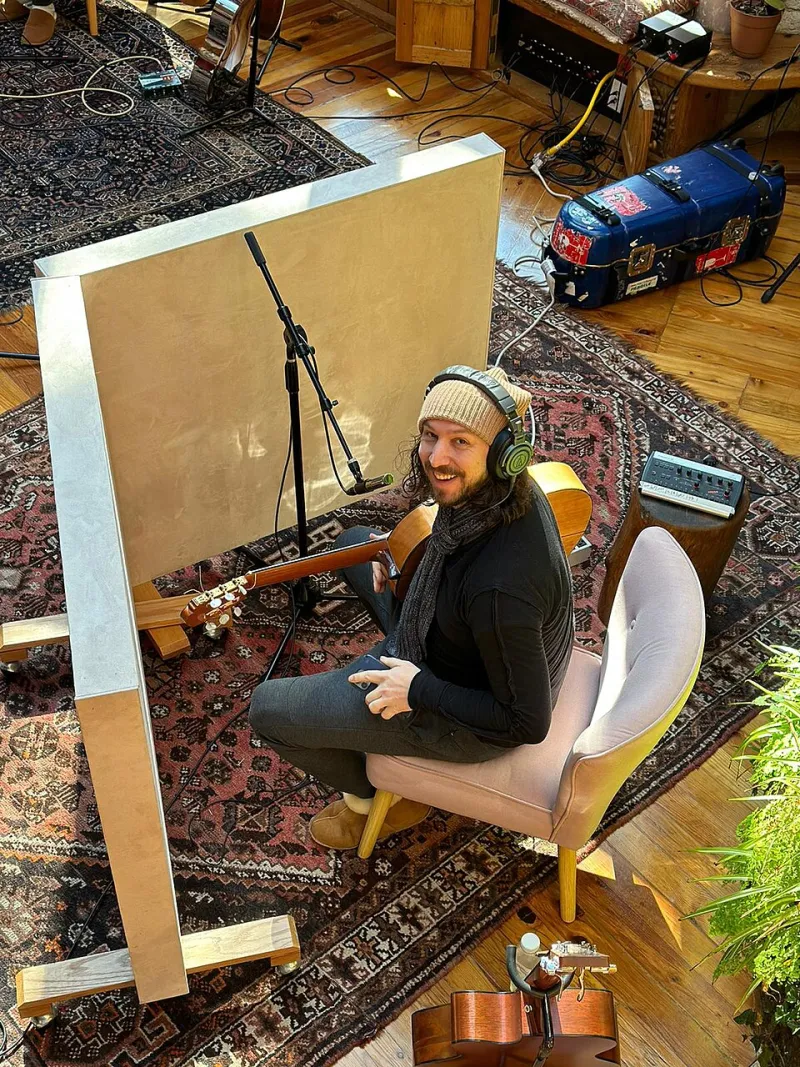
Photo: Clarinetdelune, CC0, via Wikimedia Commons
Every artist has a sonic fingerprint — that unmistakable quality that makes you say yeah, that's them within the first few seconds of a track. For Bob Stenstrom, that fingerprint didn't appear overnight. It was earned through years of trial, error, late-night sessions, and the kind of creative stubbornness that separates career artists from one-hit wonders.
If you've been riding with Bob since the beginning, you already know the journey has been anything but straight. But for newer fans trying to understand why his latest work hits the way it does, there's serious value in going back to the start.
Year One: Rough Around the Edges, Real at the Core
The earliest Bob Stenstrom recordings have a quality that's genuinely hard to manufacture — that lived-in, slightly imperfect feeling that comes from someone still figuring out what they want to say. Early tracks leaned on minimal instrumentation: acoustic-forward arrangements, dry vocal takes, and production choices that prioritized emotion over polish.
Collaborators from that era describe a creator who was intensely focused on feeling rather than sonics. "He wasn't worried about whether the room sounded perfect," one longtime collaborator recalled. "He was worried about whether the song made you feel something. The gear was almost secondary."
That philosophy — feeling first, production second — left fingerprints all over those early recordings. You can hear it in the way vocals sit slightly forward in the mix, unguarded and immediate. There's no hiding behind reverb or layered harmonics. What you hear is what he was.
The Middle Period: Experimentation Kicks In
As Bob's profile grew and his access to better studios and collaborators expanded, something interesting happened: instead of chasing a cleaner, more commercial sound, he went weirder. The middle stretch of his catalog is arguably his most adventurous — and for longtime fans, it's often the most debated.
This is where you start hearing more textured production choices. Synthesizers creeping into arrangements that were previously guitar-dominant. Drum programming layered underneath live percussion. A broader sonic palette that suggested someone who had been listening deeply — to classic American rock, to Southern soul, to the kind of indie production coming out of studios in Nashville and Brooklyn during that stretch.
The instrumentation choices during this period weren't random. Bob has talked publicly about how intentional the experimentation was, treating each project almost like a research exercise. What happens if we strip the low end here? What if the lead melody lives in an unexpected register? These weren't questions born from indecision — they were the questions of someone actively building a vocabulary.
When the Pieces Locked In
At some point — and fans can usually pinpoint the moment — something clicked. The experimentation didn't stop, but it became more purposeful. The sonic risks started paying off more consistently because they were informed by everything that came before.
Producers who worked with Bob during this phase note a significant shift in how he approached sessions. Earlier, he came in with songs. Later, he came in with worlds — a clear sense of what a track needed to feel like, what instruments belonged in it, and what should stay out. That editorial clarity is one of the hardest things to develop as an artist, and it shows in the work.
The production style that emerged is textured but never cluttered. There's space in the arrangements — intentional breathing room that gives individual elements room to land. Vocals remain central, but now they're supported by layers that feel earned rather than added for the sake of fullness.
What Collaborators Say About the Shift
Some of the most revealing insights into Bob's sonic evolution come from the people who've been in the room with him. A recurring theme in conversations with collaborators is the phrase he knows what he wants now — said with a mix of admiration and, occasionally, a laugh that suggests it wasn't always easy.
Early sessions were more exploratory, more open-ended. Recent sessions are described as focused and efficient, with Bob arriving having already done significant creative pre-work. He'll reference specific sonic reference points, explain exactly why a particular guitar tone doesn't serve the song, or push back on a production choice with a clarity that comes from having made a lot of mistakes and learned from every single one.
That kind of artistic confidence isn't arrogance — it's the accumulated result of years spent paying attention.
The Core Identity That Never Moved
Here's the thing that makes Bob Stenstrom's evolution genuinely interesting rather than just a story about getting more polished: the core of what he does hasn't changed. The emotional directness of those early bedroom recordings is still present in his most recent work. The willingness to prioritize a real moment over a perfect take hasn't gone anywhere.
What's changed is the sophistication of the vehicle, not the destination. The production now serves the feeling more effectively because he's better at building it. But strip away the layers, and you're still hearing the same fundamental creative impulse that was there from day one.
That continuity is rare. A lot of artists evolve by leaving their early self behind. Bob's evolution looks more like a renovation than a demolition — the foundation stayed, and everything built on top of it got stronger.
Why It Matters for Fans
Understanding how an artist's sound developed doesn't just satisfy curiosity — it deepens the listening experience. When you know why a production choice was made, you hear it differently. When you understand the trajectory, individual albums become chapters in a longer story rather than standalone products.
Going back through Bob Stenstrom's catalog with fresh ears — knowing what you know now about where it was heading — is genuinely rewarding. The early roughness sounds less like limitation and more like intention. The experimental middle period sounds less like confusion and more like a deliberate education. And the current work sounds like exactly what it is: the output of someone who put in the time to figure out what they're actually trying to say.
That's a career worth paying attention to. And a sound worth following wherever it goes next.