Two Hundred Seats and the Truth: The Small Rooms That Built Bob Stenstrom
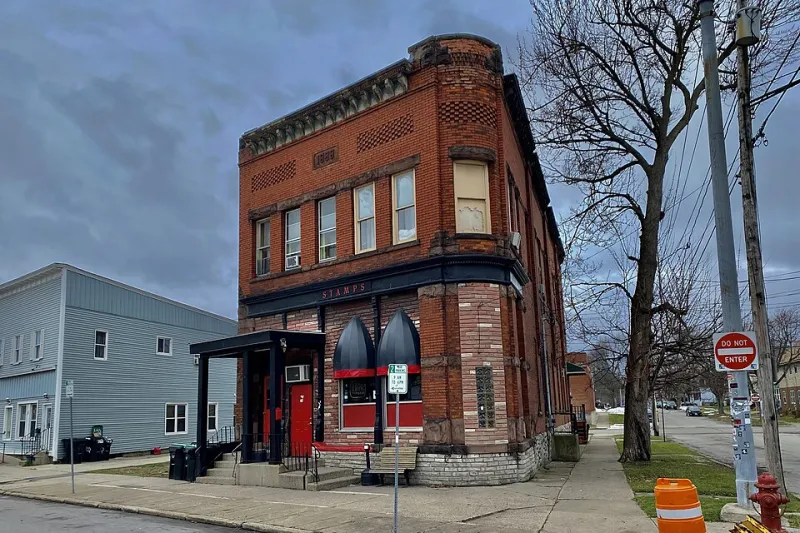
Photo: Andre Carrotflower, CC BY-SA 4.0, via Wikimedia Commons
There's a version of the American music map that only exists on the back roads: the bar with the neon sign missing a letter, the club above a laundromat, the college-town room where the stage is two cinder blocks and a sheet of plywood. Bob Stenstrom came up through those rooms, and — this is the part that matters — he never really left them.
So we did the route. A few of them, anyway. Here's what the map looks like when you follow it honestly.
The Basement Bar Where Nobody Clapped on Beat
Ask about early shows and the stories circle back to a basement venue in the Midwest — the kind of place where the PA is older than the bartender and the stage smells faintly of bleach. Stenstrom played there so many times that the owner reportedly kept a coffee mug with his name on it behind the bar.
The lesson those rooms teach is brutal and simple: if the material works without a sound system, it works. Fans who caught him in that era all describe the same thing — a writer figuring out in real time which lines landed and which ones needed to die quietly.
The College Town Room With the Curfew
Every college town has one: the club with a hard 11 p.m. curfew because of a noise ordinance and a landlord with opinions. Stenstrom's dates in these rooms built a specific skill — saying something meaningful between songs in under twenty seconds, because the clock didn't care about your between-song banter.
You can still hear it in his shows today. He doesn't ramble. He never learned how, because he never got the chance.
The 200-Capacity Room That Sold Out in Nine Minutes
Fast forward to a few years ago. Stenstrom announces a run of small venues between larger dates — no press release, no big rollout. One 200-capacity room in the Southwest sold out in under ten minutes.
Why does an artist who could fill bigger rooms keep coming back to these? Ask around his camp and you get versions of the same answer: the big rooms are where you perform, and the small rooms are where you check your work. There's nowhere to hide at 200 seats. Every lyric that doesn't land, every transition that sags — it's all visible, face to face, at a distance where you can see someone checking their phone.
That feedback loop is the whole point. Small rooms are the rehearsal the audience gets to attend.
What You Learn in a Room With Bad Sightlines
There's a specific education that only happens in venues with a support beam blocking half the stage. You learn to write songs that survive being heard from the side of a room. You learn that a crowd of 180 strangers becomes a roomful of neighbors by the second chorus. You learn the difference between an audience and a crowd.
Stenstrom's live reputation — the singalongs that feel spontaneous, the quiet stretches that somehow hold — was forged in rooms where the front row was close enough to hand him a beer. That intimacy isn't a production choice. It's muscle memory.
The Case for the Small Stage
If you're a fan trying to understand Stenstrom, here's the honest recommendation: when a small date gets announced, go. Not because it's exclusive or special, though it is. Go because that's the room where the songs are still being tested, where the arrangements are loose enough to change, where you might hear a brand-new song with the paint still wet.
The arenas pay the bills. But the two-hundred-seat rooms are where the truth gets checked — and Stenstrom, more than most, has never stopped showing up for the check.